
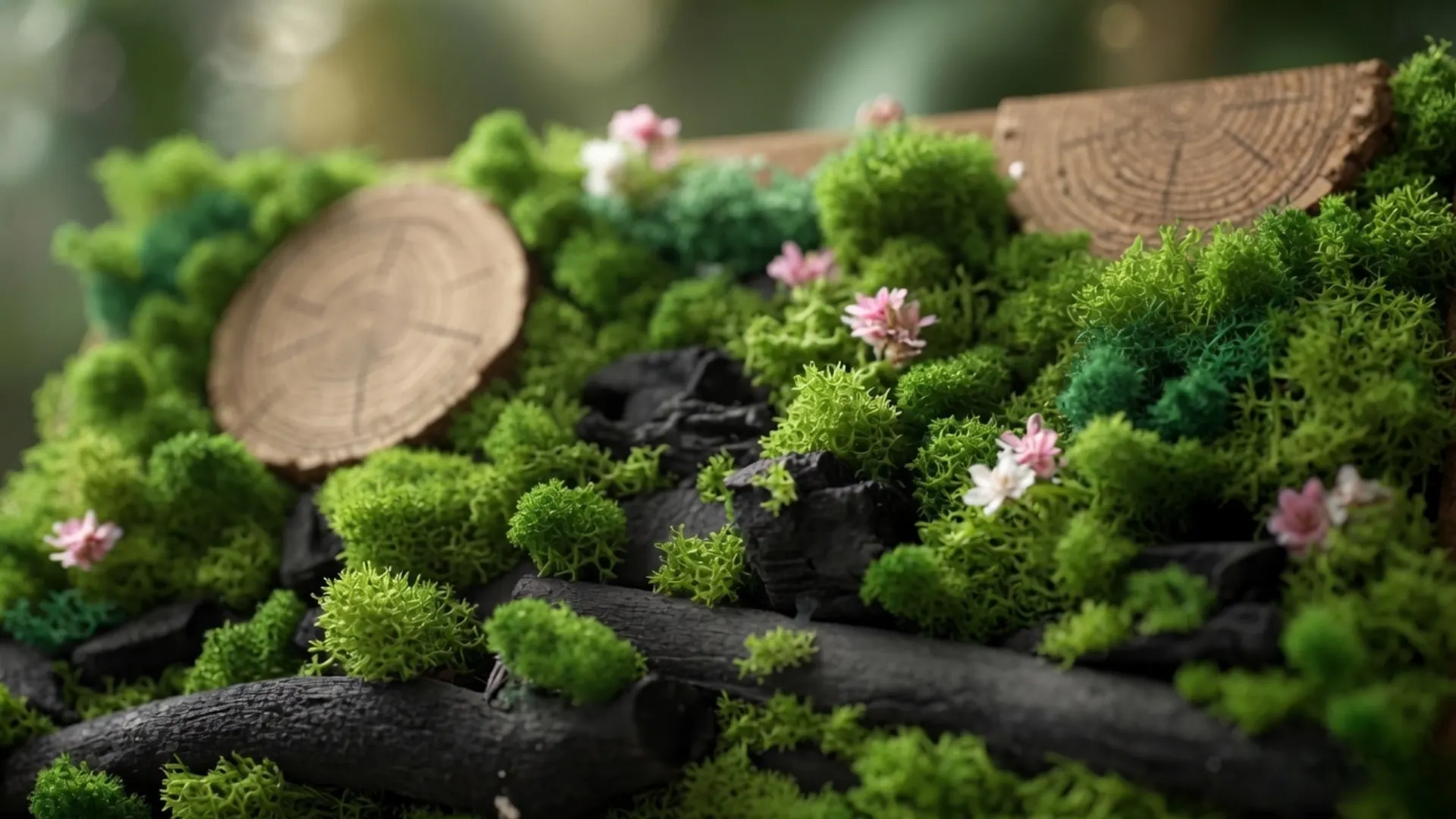
When people want to bring greenery into their homes or offices, they usually consider three main options: live plants, artificial plants, or preserved botanicals. Each comes with its own advantages and limitations.
Preserved botanicals do not produce oxygen and are generally more expensive than artificial plants. However, they offer something valuable in between: real plant material that looks and feels natural without a watering routine.
Quick comparison
| Factor | Live plants | Artificial plants | Preserved botanicals |
|---|---|---|---|
| Real plant material | Yes | No | Yes |
| Maintenance required | High | None | Very low |
| Natural look and feel | Excellent | Average | Very good |
| Lifespan | Months to 3 years | 3-6 years | 3+ years open 5+ years enclosed |
| Works in low light | Limited | Yes | Yes |
| Produces oxygen | Yes | No | No |
Live plants: beautiful but demanding
Live plants are the most natural choice. They grow, respond to their environment, and many people genuinely enjoy the process of caring for them. They can also improve indoor air quality to some extent.
However, keeping them healthy in typical Indian homes and offices is often more difficult than expected. Air conditioning, inconsistent sunlight, irregular watering, dust and busy lifestyles frequently lead to plants declining. Many people end up replacing plants every few months, which becomes both financially and emotionally draining over time.
Artificial plants: convenient but limited
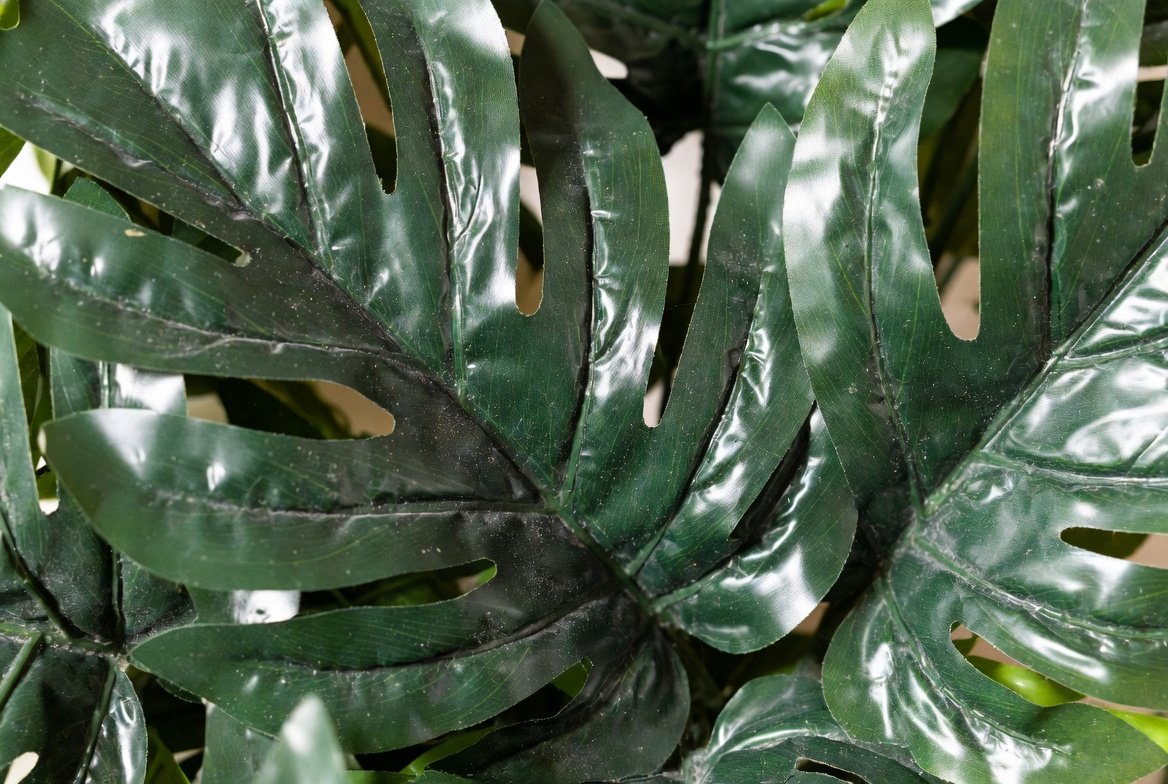
Artificial plants solve the maintenance problem completely. They require no water, no sunlight and no care, which makes them extremely convenient for busy people.
The main limitation is realism. Most artificial plants look synthetic on closer inspection. Over time, they collect dust and lose freshness. While they provide visual greenery, they rarely create the same emotional or sensory connection as real plant material.
Where preserved botanicals stand out
Preserved botanicals are not meant to replace everything. What they do well is solve the gap between realism and convenience.
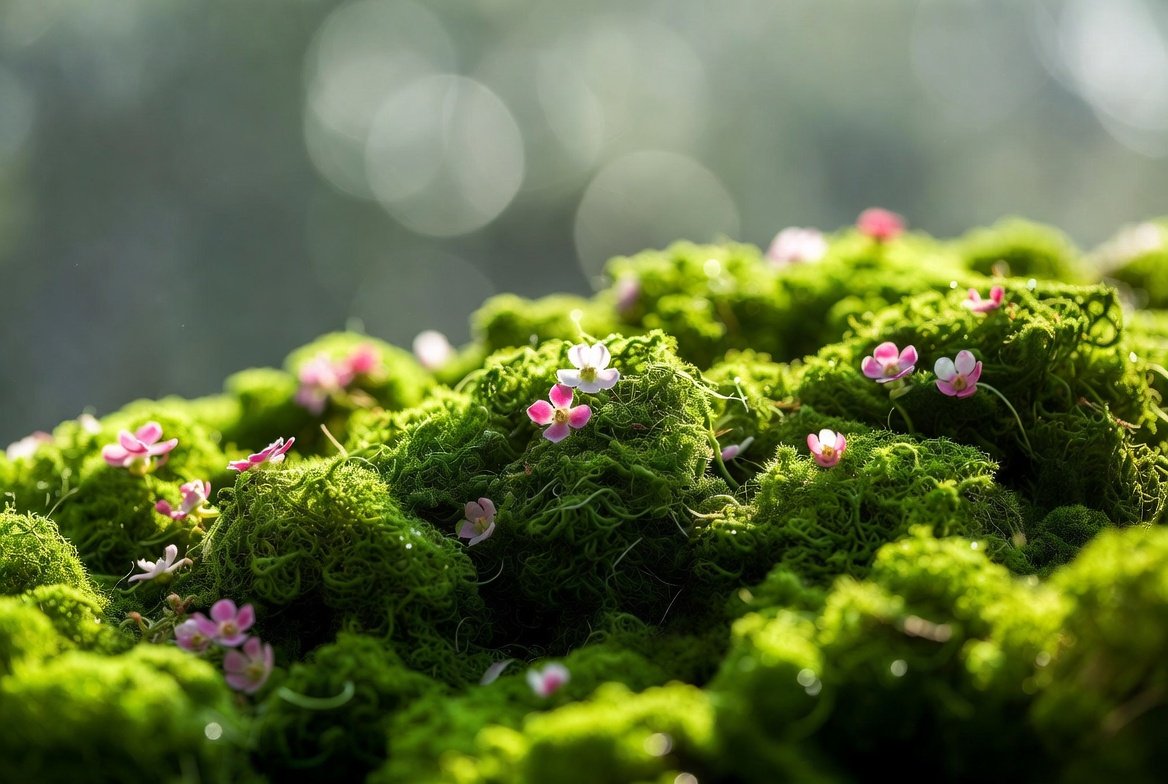
Real plant material
Made from actual moss and botanicals, they retain natural colour, texture and softness under recommended indoor conditions.
No watering routine
Keep them indoors, dry and away from direct sunlight. No watering or misting is needed.
Flexible placement
They can be used on walls, in low-light areas, on desktops, and in small decorative objects.
A practical middle path
Preserved botanicals are not meant to completely replace live plants. Many people still prefer live greenery when they have suitable conditions and enjoy caring for it.
What preserved options offer is a realistic alternative for modern urban living: real plant material that looks and feels natural, stays on display under recommended indoor conditions and does not demand daily attention. This makes them especially relevant for busy professionals, compact homes and corporate spaces in India.
Do preserved plants produce oxygen?
No. The preservation process stops biological activity, so preserved botanicals do not perform photosynthesis or release oxygen.
How long do preserved botanicals last?
Under recommended indoor conditions, open pieces can remain on display for 3 or more years. Enclosed pieces can last 5 or more years. Keep them dry and away from direct sunlight.
Are preserved botanicals suitable around children and pets?
They are display objects and should not be ingested. Ask us about a specific product or placement if this is important to your setting.
Can preserved botanicals work in low-light areas?
Yes. Since they do not need light to survive, they work well in spaces where live plants usually struggle.
Ready to bring real preserved nature into your space?
Explore desk pieces, wall art and custom corporate gifts from the Forever Forest range.